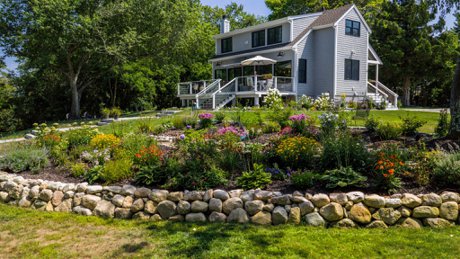
Southeastern Massachusetts continues to attract attention from homebuyers, investors, and developers seeking a balance between coastal charm, suburban convenience, and proximity to major cities like Boston and Providence. The region’s real estate market has evolved significantly in recent years, influenced by shifting demographics, economic growth, and changing lifestyle preferences. The following trends highlight what’s driving the market in 2026.
1. Rising Demand for Suburban and Coastal Living
The appeal of Southeastern Massachusetts lies in its blend of scenic coastal towns, historic communities, and suburban neighborhoods. Areas such as Plymouth, Dartmouth, and Falmouth are seeing increased demand from buyers seeking more space, access to nature, and a slower pace of life. Waterfront properties and homes near beaches remain highly desirable, particularly among remote workers and retirees.
2. Continued Growth in Remote Work Influence
Remote and hybrid work models continue to shape housing preferences. Buyers are prioritizing home offices, flexible layouts, and high-speed internet access. Towns like Middleborough, Taunton, and Wareham are benefiting from this trend, offering more affordable options within commuting distance of Boston while providing the amenities remote workers need.
3. Limited Inventory and Competitive Pricing
Inventory remains tight across much of Southeastern Massachusetts, driving competition and keeping prices elevated. While new construction is helping to ease supply constraints, demand continues to outpace availability. Buyers are adapting by expanding their search areas and considering fixer-uppers or smaller properties.
4. Expansion of Mixed-Use Developments
Developers are increasingly focusing on mixed-use projects that combine residential, retail, and recreational spaces. Town centers in places like New Bedford and Fall River are being revitalized with new apartments, restaurants, and cultural venues. These developments attract younger professionals and families seeking walkable, community-oriented environments.
5. Sustainable and Energy-Efficient Homes
Sustainability is becoming a key factor in home design and construction. Energy-efficient appliances, solar panels, and eco-friendly materials are now standard features in many new builds. Buyers are also drawn to homes with smart technology that reduces energy consumption and enhances comfort.
6. Growth in Multi-Family and Rental Properties
With affordability challenges persisting, multi-family housing and rental developments are on the rise. Investors are capitalizing on strong rental demand in college towns like Bridgewater and coastal communities with seasonal tourism. This trend supports both long-term residents and short-term vacation renters.
7. Infrastructure and Transportation Improvements
Infrastructure investments are enhancing connectivity throughout the region. The South Coast Rail project, set to improve commuter access between Boston and cities like Taunton, Fall River, and New Bedford, is expected to boost property values and attract new residents. Improved transportation options are making Southeastern Massachusetts more accessible than ever.
8. Shifts in Buyer Demographics
Millennials are now a dominant force in the housing market, often seeking starter homes or properties with potential for renovation. At the same time, baby boomers are downsizing to low-maintenance condos or coastal homes. This generational shift is diversifying the types of properties in demand across the region.
9. Strong Second-Home and Vacation Market
The South Shore and Cape Cod gateway towns continue to thrive as second-home destinations. Buyers from Boston, New York, and beyond are investing in vacation properties that double as short-term rentals. This trend supports local economies while adding pressure to housing supply in popular coastal areas.
10. Outlook for 2026 and Beyond
The Southeastern Massachusetts real estate market is expected to remain resilient, supported by strong demand, limited supply, and ongoing infrastructure improvements. While affordability challenges persist, the region’s quality of life, economic opportunities, and natural beauty continue to attract a diverse range of buyers and investors.
Conclusion
Southeastern Massachusetts stands at the intersection of tradition and transformation. With its mix of historic towns, coastal communities, and emerging developments, the region offers opportunities for both homeowners and investors. As sustainability, connectivity, and lifestyle preferences continue to evolve, Southeastern Massachusetts is poised to remain one of New England’s most dynamic real estate markets.